Tuesday, September 27, 2011

Kentucky


Marc and I had big plans for Kentucky--specifically, Texas toast piled with cheesey, bacony turkey; otherwise known as the Kentucky Hot Brown. The children, however, had other plans and we experienced our first all out mutiny. They were determined to have fried chicken. They didn't care that we've already had fried chicken, there is a Kentucky Fried Chicken right down the road from us and clearly that's what you should eat for a Kentucky dinner. Period. They won.

We consoled ourselves with the knowledge that fried chicken with biscuits was the favorite dinner of Kentucky native and Father of Bluegrass, Bill Monroe. While we hoped not to repeat any meals, I think we've done pretty well. This would be our 27th dinner, more than halfway done with no repeats so far!

For this meal, Marc managed the chicken and I handled the biscuits. He salted the chicken pieces and dredged them in white flour seasoned with salt, pepper and garlic powder.


Marc even went so far as to go out and buy a reliable fry thermometer, so he didn't have to guess at the oil temperature! In a large, enameled cast iron pot, he heated 8 cups cups of peanut oil to a full 375 degrees before adding the chicken pieces. The temperature dropped sharply right as the meat went into the oil, but it quickly recovered to about 350, where it stayed for the duration. He removed the breast pieces after about 25 minutes and left the dark meat for 30.

For the biscuits, I decided to use the lard that was leftover from our Navajo Tacos a couple weeks back. Usually, I bake biscuits and pastries with butter, but using lard was a revelation. It blended right into the flour and immediately created the perfect crumbly texture. The dough was soft, tender and easy to work with. Here's the basic recipe:

Buttermilk Biscuits
2 cups flour
1 tablespoon baking powder
1/4 teaspoon baking soda
1 teaspoon salt
6 tablespoons butter or lard
3/4 cup buttermilk

Heat oven to 450 degrees. Blend the fat into the dry ingredients using a pastry cutter. Slowly add buttermilk and mix briefly until a soft dough forms. Turn out onto a floured surface and knead once or twice. Pat (don't roll!) dough out into a circle 1-2 inches thick. Cut with biscuit cutter, reblending scraps only once. Bake for 10 minutes, until just barely done.


Coffee was apparently Bill Monroe's preferred beverage, so we made a pot for the grownups.


No one had any complaints about this meal. The chicken was perfectly done, with an even, crisp crust. The biscuits were remarkably tender--butter seems to give them a bit of a crunch, these were soft and delicate.


Mine!

Next stop: Oklahoma

Thursday, September 22, 2011

Washington

I visited Seattle for the first time this past spring, and spent three days eating my way around the city. Not only is Seattle a great beer town, the variety and quality of the seafood is outstanding. We here in the Midwest have access to good catfish, walleye and other river dwellers but lack the overwhelming supply that you find on the coasts.

For our Washington dinner, we chose the state's official fish: the steelhead trout. Steelhead are a "migrating" variety of rainbow trout--meaning that they leave the ocean to spawn in fresh water. Unlike salmon, they don't die after spawning, but may return to salt water. The meat of the trout was a lot like salmon, fatty and a rich pink color.


Our substantial fillet got a simple olive oil, salt and pepper treatment before heading to the grill. The fish went on the hot grill, skin side down, and we didn't flip it; instead, we put the top on the grill and let it cook mostly through. This gave the skin a nice char and reduced the risk that the entire thing would fall apart if we tried to turn it over!

On the side, we used up some of our favorite CSA vegetables: dragon tongue beans and purple potatoes.

The dragon tongue beans are similar to a green bean in flavor, though a bit milder. When raw, they have these lovely purple stripes, which fade after a quick blanch.

We roasted the purple potatoes in a 425 degree oven for about 35 minutes. They cooked up nicely, crisp on the outside and tender inside. After they came out, I sprinkled them with chopped dill and lemon juice.

We also included our "impulse buy" of two salmon sausages from our local co-op. These were made with a blend of salmon varieties, with onion, bell pepper and lemon.


This dinner was a hit with everyone. Both kids like salmon sushi, and were happy to try a cooked version. It was also quick to prepare. This project has taught us a lot about food--but I think the best discovery so far has been that we all like fish!

Next stop: Kentucky

Wednesday, September 21, 2011

Illinois


"What makes it a Chicago Style pizza, is it riddled with bullet holes?" This from my British friend, whose retro-Mafia view of the Windy City certainly makes for good pizza imagery. I don't know if the heavy crust and toppings that Pizzaria Uno made famous have any actual Mafia connections, but it might make a good story.

This Illinois dinner was a no-brainer for us; for life-long midwesterners, Chicago-Style pizza is legendary. Marc was on kitchen duty for this meal and he started with a good crust recipe, found here. He halved the recipe and this yielded two pizzas, one 10 inch and one 8 inch.


The cheese always goes on the bottom of a Chicago-Style pizza, and sliced (rather than shredded) mozzarella is preferred. The topping choices are endless--sausage is a classic, but any variety of vegetables works too. We stuck with plain cheese this time.

For the sauce, the ideal is simply crushed, high quality canned tomatoes. Marc squished these up using a pastry cutter.


After a good thick layer of crushed tomatoes is spread over the cheese, top with oregano and fresh grated Parmesan


Lucy oversees the application of oregano and parmesan.

These bake in a 475 degree oven for about 30 minutes. We lightly buttered the cast iron pans, so that the pizza easily lifted out and onto a cutting board. A filling Friday night meal, appropriately accompanied by a good Chicago brew:

Cheers!

Next stop: Washington

Tuesday, September 13, 2011

Arkansas


Well, we considered heading down to the Wal-Mart and buying a big bag of Tyson chicken tenders for this meal. But, we figured that Arkansas must have some more interesting food traditions than big box stores and factory chicken!

My new favorite state cookbook suggested an Arkansas Barbecue Salad, which sounded like a pretty good idea to us. Basically, a chef's salad with lots of veggies, only instead of chicken or ham, you use slow, smoked pork barbecue for the meat. Conveniently, we had a boneless pork shoulder in the freezer that was just itching to be cooked.

We thought about using our slow cooker and some liquid smoke, which Marc's friend (and real-live chef) Tim said was perfectly acceptable. But, it was a lovely day out and we couldn't resist improving the crisp Fall air with the aroma of smoking hickory chips in our backyard.

Most recipes called for Iceberg lettuce, which I used along with some chopped Romaine. I also used up some of the stray vegetables in the fridge: radishes, blanched green beans, carrots, red pepper and tomatoes.


Our cookbook recommended using either barbecue sauce or your favorite dressing to top the salad. I put out our whole arsenal. Marc used bit of homemade vinaigrette (red wine vinegar, chopped garlic, Dijon mustard, salt, pepper, sugar and fresh thyme blended with olive oil). Maia used ranch, I chose bleu cheese and Lucy continued to work her way through the bottle of honey barbecue sauce that I bought for our chicken wings last week.

I made everyone a separate salad, putting on their favorite veggies (Lucy prefers green beans to carrots, Maia doesn't like tomatoes, etc). This was a hit with everyone, and is a really good way to use up leftover bits of fresh meat and produce. The salty, smoky barbecue was great with the crisp, fresh lettuce and veggies.


I think I might incorporate a "salad night" into our regular repertoire.

We drew our next four destinations tonight: Oklahoma, Illinois, Kentucky and Washington!

New Hampshire


We continue with the "News" today and, as an extra bonus, get to fulfill one of Marc's beefy fantasies: Shaker Cranberry Pot Roast. You will not be surprised to learn that we watch a lot of the Food Network around here, and some time ago Bobby Flay introduced the New Hampshire dish to his FoodNation audience. Marc has been talking about it ever since.

I have to confess, I don't have fond memories of pot roast, which, in my childhood, consisted of well-done, stringy meat with a side of smooshy vegetables. This is not something I am interested in adding to my regular menu planning.

We were supposed to have this meal on a Saturday, and Marc spent the morning getting it ready. He followed the recipe closely, though reduced it, using a 3 lb chuck roast and added beef stock rather than veal stock.

Saturday's plans changed, however, when both girls were invited to sleepovers. No parent in their right mind would pass up such a treat, so we decided to reheat it for a Sunday dinner. Sunday also brought unexpected commitments, and the meal was postponed until Monday. By Monday, we figured it might be easier to have a pot roast sandwich meal, rather than the original roast and potato extravaganza we had planned. Basically, our weekend supper meal turned into a fine weeknight-leftovers meal.

Marc shredded the meat in the sauce and we served it with rolls and shredded lettuce. I added mayo to mine (as I think that all things are improved with mayo).

On the side, we added raw carrots, fresh green beans and apples.

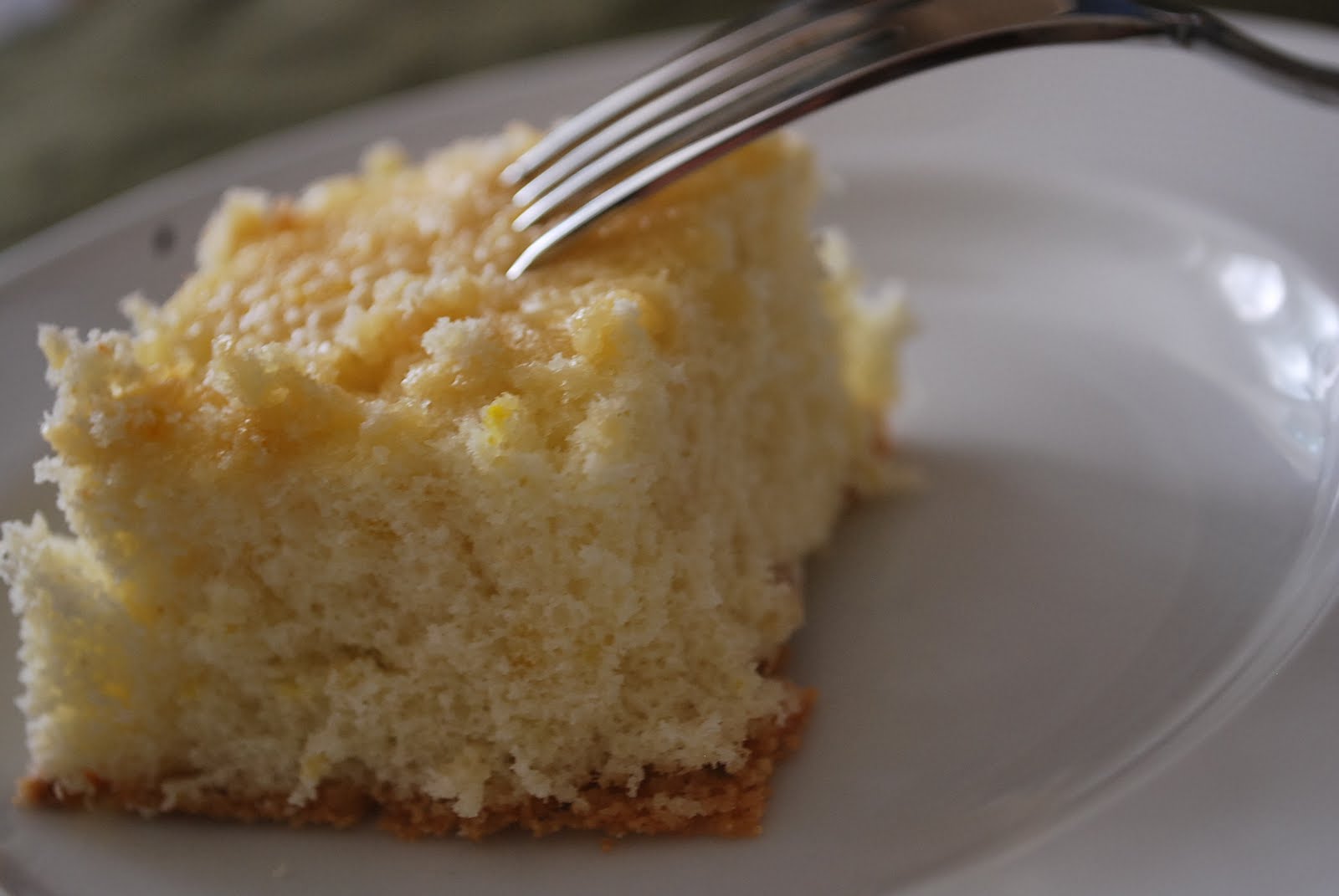
There was one more critical component to our meal: Old Portsmouth Orange Cake. This colonial era tea cake was easy to make and tasty.

For me, having pot roast as a sandwich was a big improvement over my childhood memories. Marc loved it and Maia agreed that it was pretty tasty. Lucy was less enthusiastic, but managed a few bites. Overall, a great use of what felt like leftovers!

Next stop: Arkansas

Sunday, September 11, 2011

New Mexico


We continue through the "New" states today with New Mexico. Like so many of the places we've already covered, the state's history and ethnic diversity provide a wealth of choices. We went with the classic fusion food: Navajo Tacos.

Basically, you get all of the goodness of a taco with the added bonus of fry bread, one of life's rich treats. Marc made a basic dough with white flour, lard and water (remember, I said this is a treat, not everyday bread!). This was our first time working with lard, and I can see why it is a favorite of pie crust enthusiasts everywhere. The lard is soft and blends into the flour more easily than butter and it has a rich, savory flavor--unlike vegetable shortening which tends to result in a flavorless final product.

The dough rested for about 30 minutes before Marc rolled it into small circles, about 6 inches in diameter.


The circles were fried in canola oil until they were golden brown on both sides. The dough will puff up in the hot oil, it helps to press it gently into the oil so that it browns evenly.


The result was crisp, golden-brown and delicious!


For the filling, we made a basic ground beef taco mix with sauteed onions and garlic, chili powder and beef stock. We also served shredded lettuce, cheese, refried beans and cilantro on the side. Marc also made a quick pickle with thinly sliced red onion and jalapeno marinated in lime juice, salt and cilantro.

Everyone liked these, though no one could eat too much they're so rich and filling! We had lots of leftovers for the week. The work involved in making the fry bread was enough that this will probably not be a regular meal for us, but it was a fun Friday night, late-summer meal.

Next stop: New Hampshire

Friday, September 9, 2011

New Jersey


New Jersey's meal fulfilled one of the girls' recent requests: that we have a vegetarian meal for a state dinner. You might have noticed that our meals have been pretty meat-centric. But, I've yet to find a state with a vegetarian entree as a central part of its cuisine. This meal not only filled the vegetarian bill, it allowed us to use up a lot of our CSA vegetables that were starting to pile up as the season became more abundant. Given New Jersey's large Italian population and it's designation as The Garden State, eggplant parmesan seemed like the perfect choice!

Marc and Lucy took charge of this one, photos and all.

First, Marc salted the eggplant slices and left them to rest in a colander for about 30 minutes. This pulls the water out of the slices so they don't completely disintegrate when you bake them.

Next, Lucy pressed the slices into breadcrumbs seasoned with basil and romano cheese.

Next, the slices were fried lightly in olive oil:

We used our individual ramekins again, making nice little stacks of fried eggplant layered with fresh marinara sauce, mozzarella, and fresh parmesan.

About 20 minutes in a 375 degree oven and they became savory, melty and delicious!

On the side, we had a simple fennel salad: chopped fresh fennel lightly dressed with olive oil, cider vinegar, salt and pepper.

Unfortunately, despite their requests for a meatless meal--this one was not a hit. Both girls managed to consume about two bites, declaring it "squishy" and "disgusting." Marc and I polished off the wine and ate their leftovers.

Next stop: New Mexico